Taikoo Motors Group · Carguru
It started as a price-check tool
Three years, seven development phases and three outsourced vendors: growing a used-car price checker into a car-services platform that spans online transactions and physical locations.
01A big ambition and a small team
When I took over the product in 2018, what the company had was a used-car price checker. What it wanted was a complete car-ownership service — buying, maintaining, washing and everyday driving, with every need a car owner has taken care of.
The ambition was big; the constraints were concrete: all development was outsourced, headcount was fixed, and the budget wouldn't grow just because we wanted to do more. Under those conditions, the only variable I could adjust wasn't speed. It was scope and sequence.
When resources are fixed, a product manager's leverage isn't in chasing deadlines. It's in deciding what comes first, what comes later and what doesn't happen this round.
02Three stages, each able to stand on its own
Extended the price checker into a C2C trading platform, with online chat for viewing cars and service booking. The goal was for cars to be bought and sold on the platform, not just looked up.
Payments and e-invoicing as the foundation; an unattended car wash connecting in-app payment to physical wash machines; driving information such as fuel, parking and traffic; and an operations monitoring back office.
An online auto-parts store built on the car-owner traffic of the first two years, extending service relationships into product sales.
The staging had a deliberate design: each year's output was usable on its own. The trading platform didn't need the wash machines to be valuable, and the car wash didn't need the store to make sense. That let each year's investment be validated by itself — with limited resources, it was the only way to protect what we'd built.
03Year 1: making transactions actually happen
Going from a price checker to a trading platform wasn't about a feature list; it was about trust. Used cars are expensive, infrequent purchases with lopsided information — buyers are afraid to commit, and sellers don't know how to sell.
So everything in year one was about building trust: a C2C trading system so deals could happen directly without a middleman; live online chat so buyer and seller could talk first, plus viewing appointments and an on-site inspection checklist to connect the online conversation to the real car; and service booking to keep owners' maintenance history on the platform — records filed automatically, QR-code check-in on site, and a push notification when the work was done.
Service booking also had to connect to the group's workshop booking and operations system. In other words, from year one this product was never just an app; the front end and back end moved together.
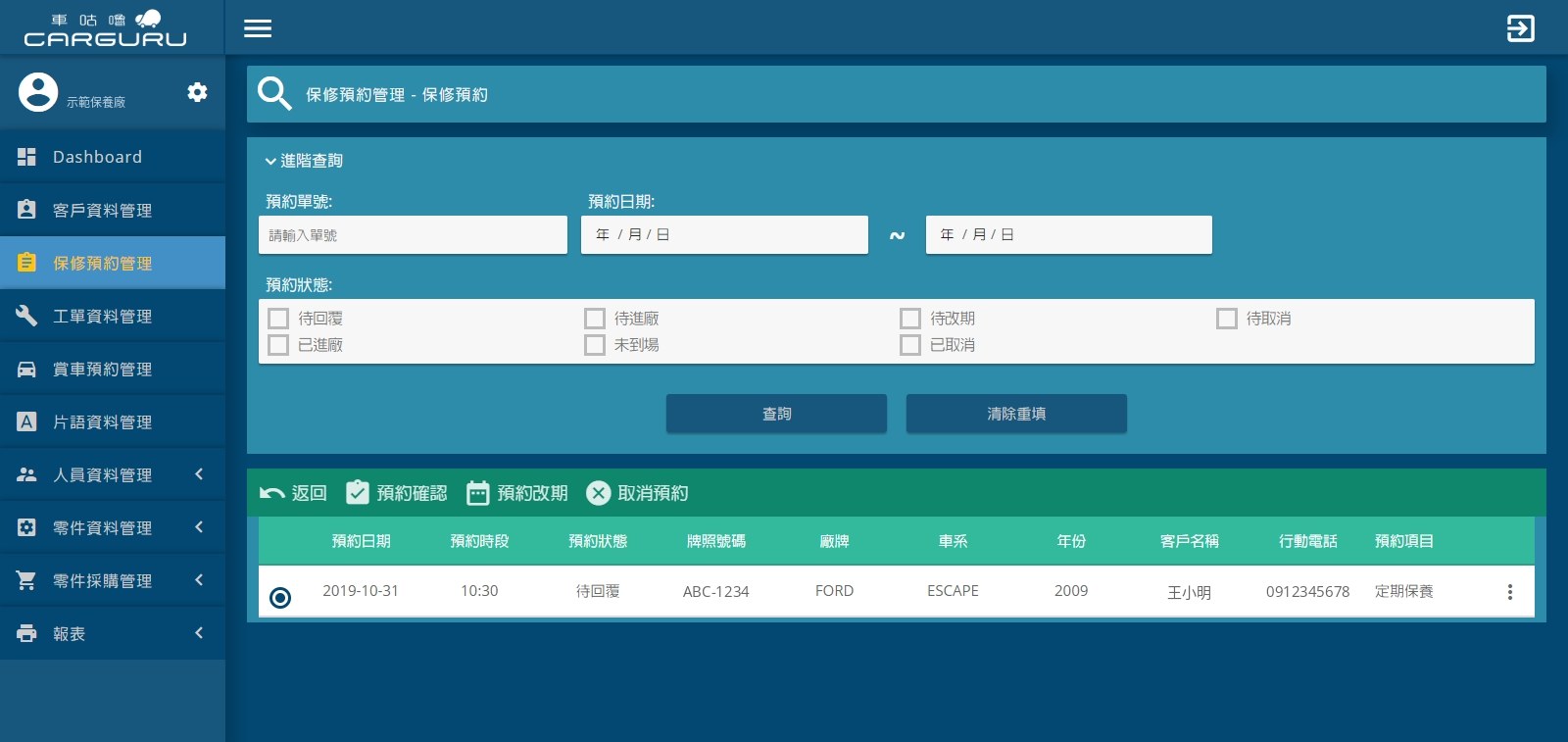
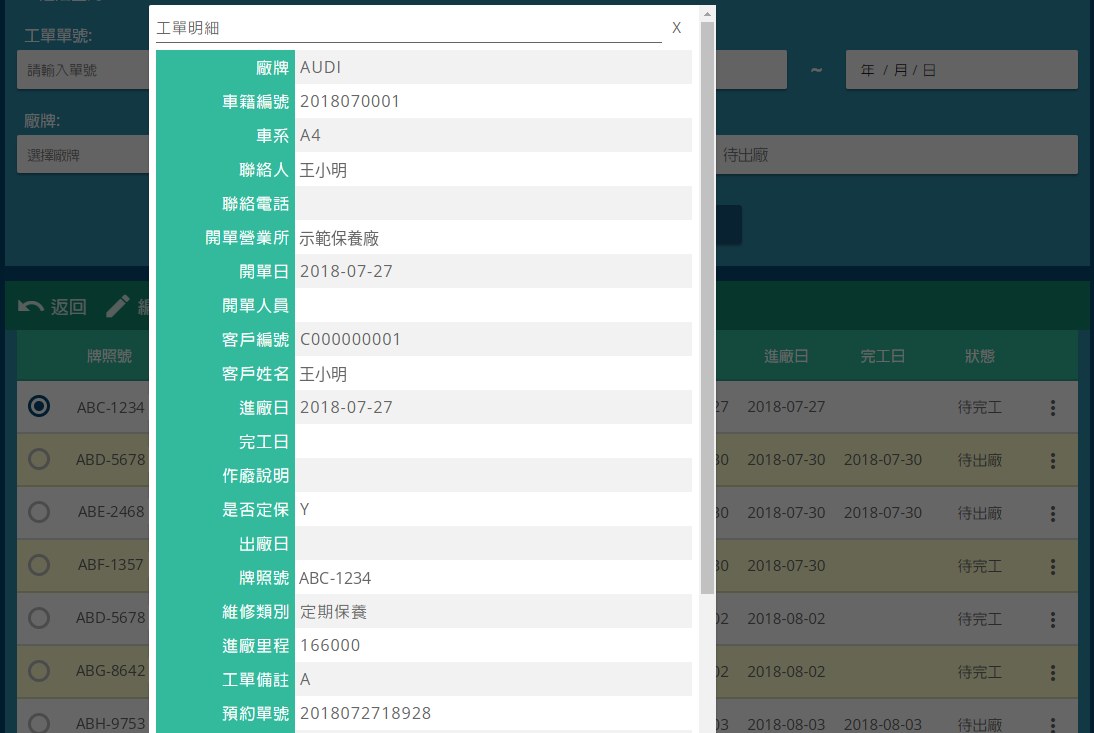
The workshop booking and operations system was built by an outside vendor; I was the system owner on Taikoo’s side and was responsible for getting it live. I led pre-launch testing and acceptance for phase one, owned spec sign-off, testing and acceptance for the new phase-two features, and after launch kept gathering feedback from workshops and internal teams to plan the iterations that followed.
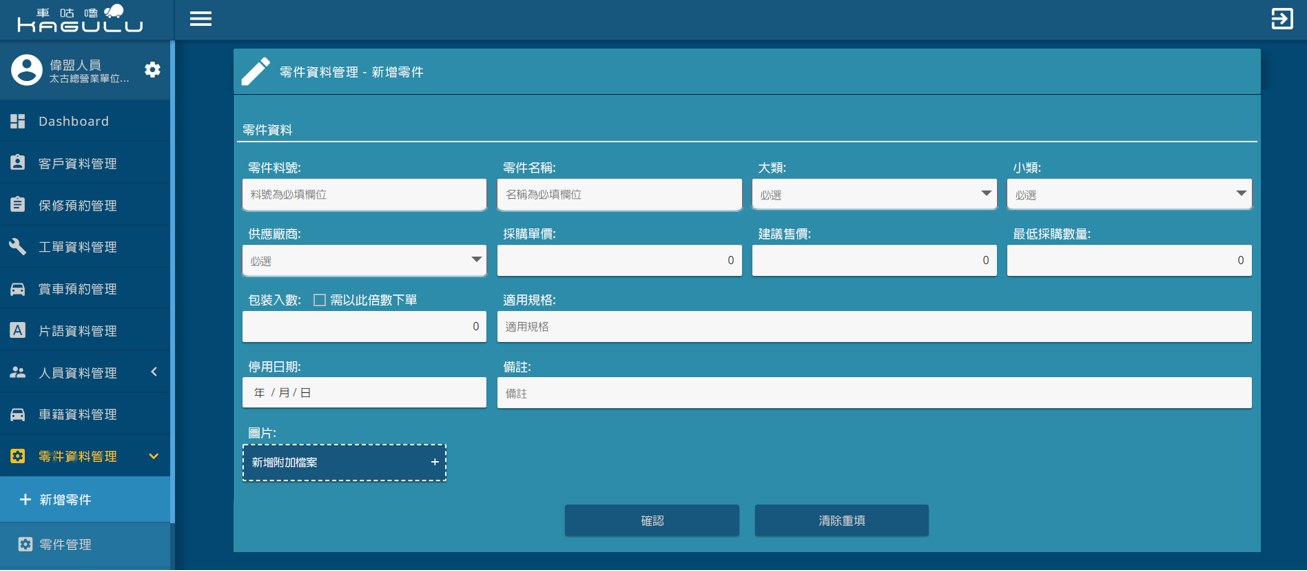
The split worked like this: car owners booked in the app; partner workshops confirmed or rescheduled in this back office; when the car arrived, a work order was opened and the bill printed. Phase two added parts data and purchasing, moving a process where workshops ordered with Excel forms sent by email — and Taikoo re-keyed them into its sales system — into the product.
04Year 2: connecting online to offline
The centerpiece of year two was the unattended car wash. On the surface it's “wash your car with an app.” In practice, three parties had to line up at once:
Only once all three lined up could we deliver the final experience: the owner sets a wash plan and payment method in advance, drives up, gets recognized, is charged and the gate opens — without touching their phone. Then came a monthly wash subscription: automatic monthly billing, unlimited washes at that site for the month, cancel the next period any time.
The result was a 70% return rate within two weeks of first use. For a service that requires driving to a specific location, that number says the experience was smooth enough.
The same year we filled in the driving use cases: fuel, parking, speed-camera alerts, driving weather and nearby attractions, all integrated through a map-data provider. None is a big feature alone, but together they turned the app from “open it when you need something” into “open it when you drive.”
05Turning an internal operations tool into a product for others
Once car-wash sites were rolled out, the company wanted to package the whole car-wash service as an offering for outside operators. What that needed wasn't more wash machines but a back office that let operators understand their own business.
The reality at the time: data from each site was scattered, and the monthly operations report was compiled by hand, taking six to eight hours each time. Until the report was out, nobody could see each site's performance in real time, let alone reallocate resources.
The idea came from the company; my job was to turn it into something buildable — defining which questions the system had to answer, planning features and data structures, and proposing how to work with and divide responsibilities among vendors.
Three design decisions
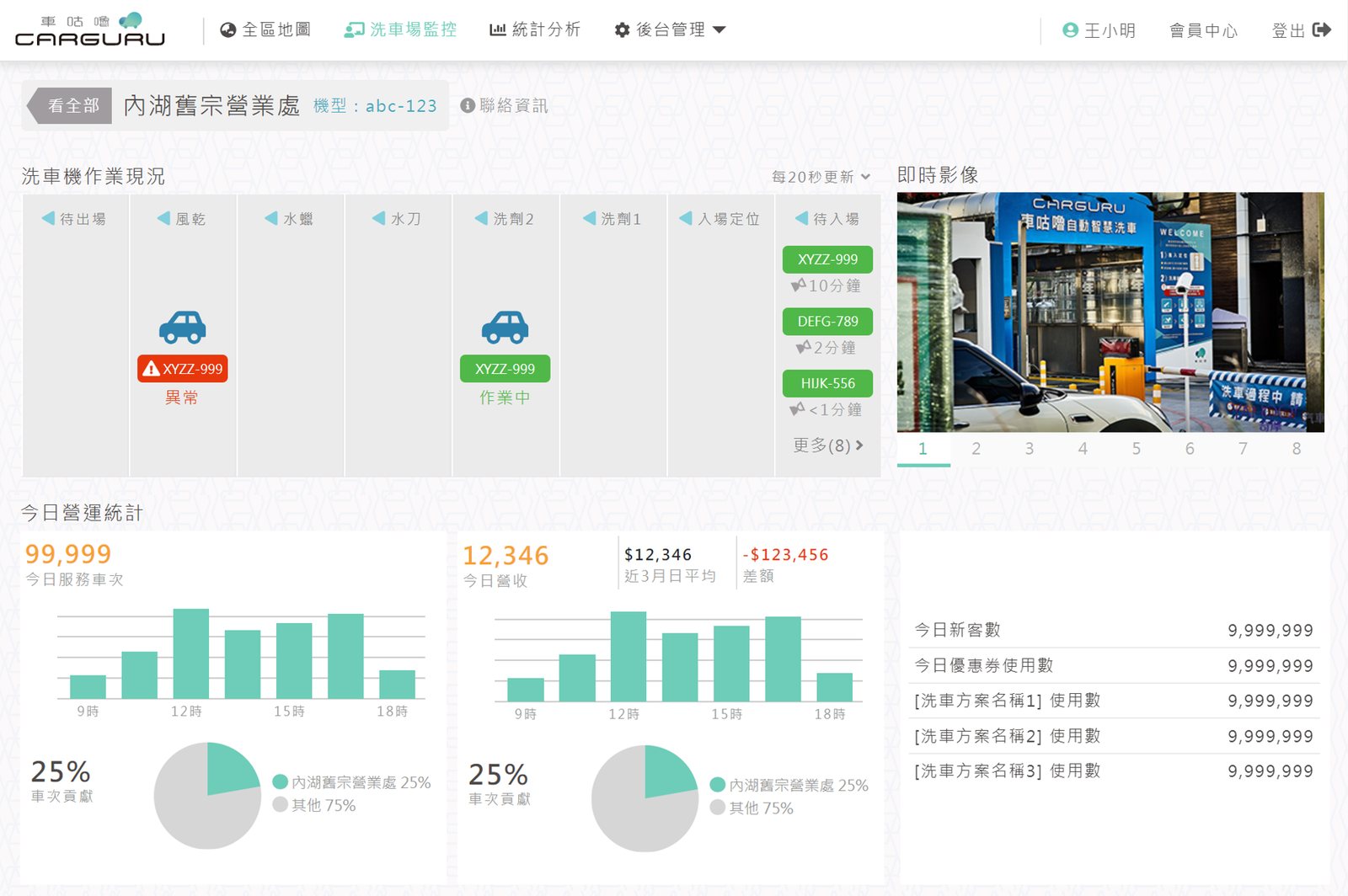
1. Make it understandable first, then analytical. The dashboard brought together daily revenue, visitor counts and vehicle-type analysis for every site, so an operator could see the whole picture on opening it.
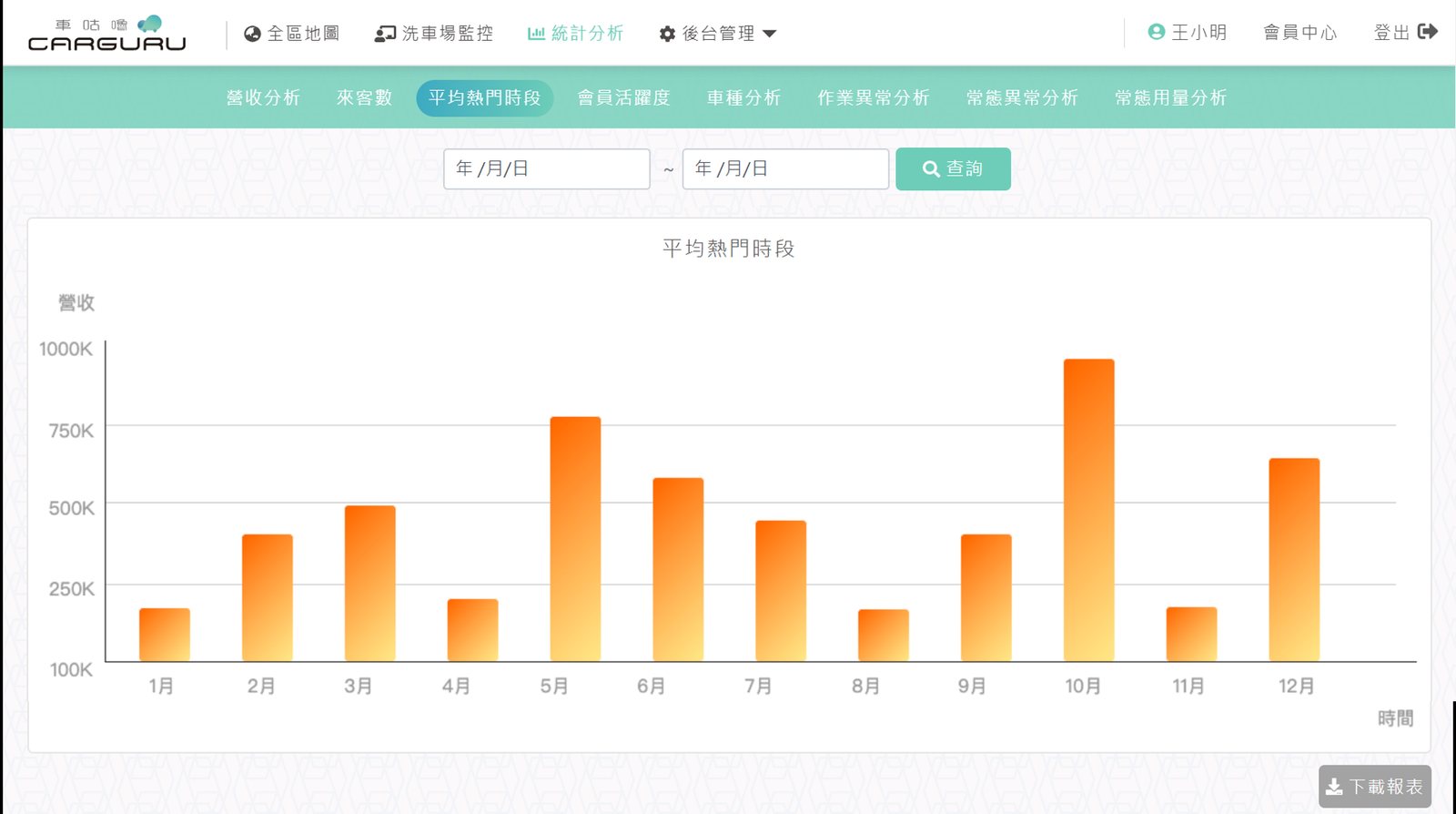
2. Add peak and off-peak analysis. Knowing which hours are empty tells you where to put coupons. A reporting tool only answers “what happened”; this answered “what should we do next.”
3. Leave room for more product lines. At the time there was only car washing, but servicing and retail were bound to follow. Hard-coding it for car washes would have meant rebuilding a year later.
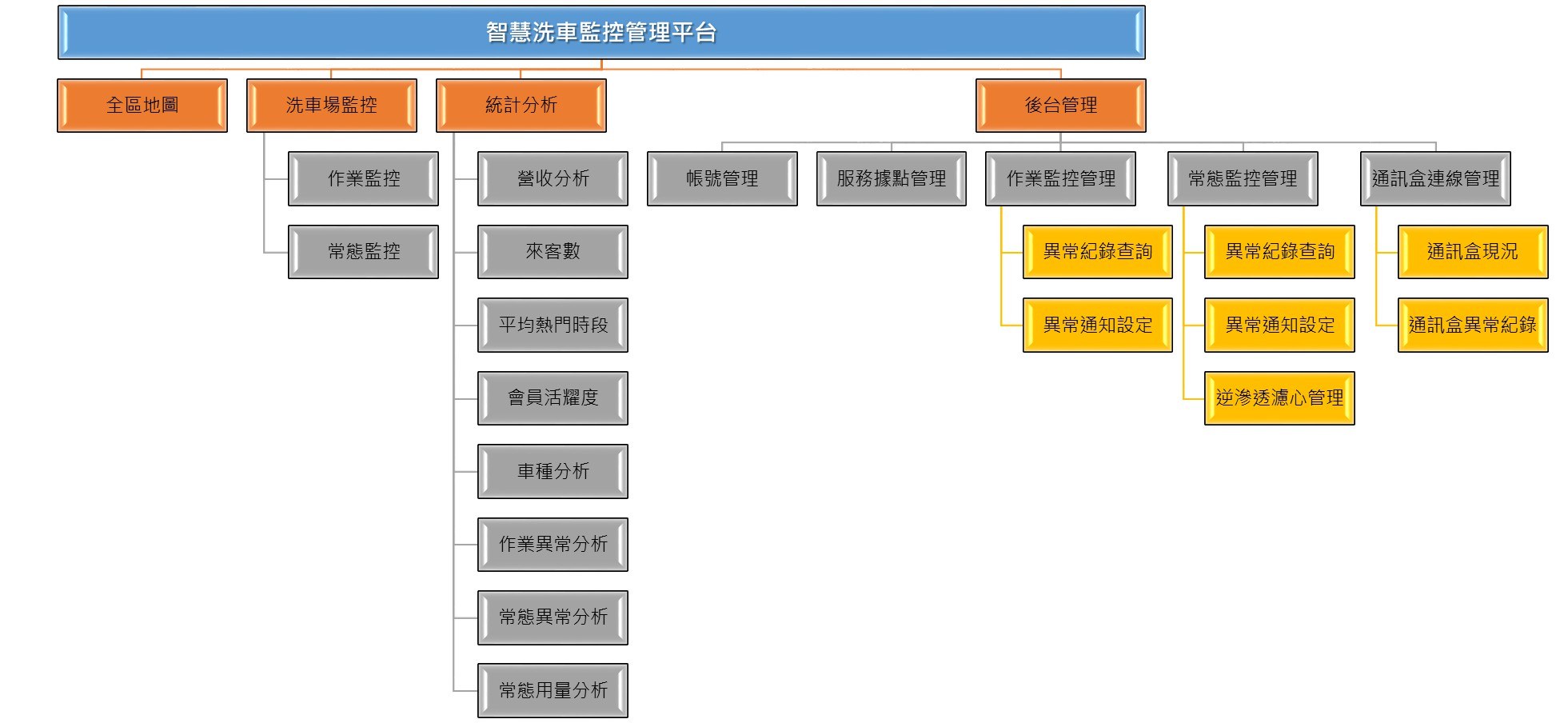
The back office tracked more than orders. Every wash machine had a communications box reporting each stage in real time — entry, positioning, detergent, high-pressure rinse, drying, exit — and when a motor, water tank or chemical tank had a problem, the system logged it and alerted the person responsible. So it was both a business report for operators and a live control panel for the site.
06Year 3: turning traffic into business
What two years had built up was car owners and their vehicle data — who drives what, how often they service it, where they wash it. The online auto-parts store in year three turned that relationship into transactions: selling auto products online, with members able to book installation and maintenance at a workshop.
By this stage the platform had about 20,000 registered members, the car wash handled about 1,000 to 1,200 orders a month, and online traffic, product sales and offline car services formed one continuous journey.
07Three vendors, ten phases, and a schedule that was always tight
Almost all development over these three years was done by outside vendors — three of them: one for the app and web, one for the workshop booking and operations system, and one for the car-wash monitoring platform. Each had its own pace, documentation habits and acceptance standards, and their outputs had to fit together.
Agree on what “done” means before starting
Before each phase began, the statement of work and acceptance criteria were written down. Scope, deliverables, timeline and acceptance conditions were all fixed before development started, not argued about once something was built. Each phase ended with a UI acceptance report and a system test report, checked item by item against the criteria we'd written. Over three years that added up to statements of work and acceptance documents for ten phases.
It turns an outsourcing relationship from “please build this for me” into “let's agree first on what done means” — the easiest step in vendor management, and the one most often skipped.
The schedule was almost never on time
To be honest, the schedule was tight for all three years. Vendor headcount was fixed and the budget didn't grow with the requirements, so delays were the norm, not the exception.
My response wasn't to chase people. It was to decide before each phase which items could be cut. Within each statement of work, deliverables were split into “what defines this phase” and “what can slip to the next” — if the first got stuck, it was stuck; the second moved out as soon as time got tight, without taking up discussion time.
In a project with fixed resources, scope isn't decided once during planning. It's decided again every time schedule pressure arrives.
08What these three years taught me
1. Break a big ambition into pieces that can be validated on their own. With limited resources, this isn't just a project technique; it's the only way to make sure the investment doesn't end up hanging in mid-air.
2. Write acceptance criteria before work starts. With external teams, the most expensive cost isn't the development fee; it's the back and forth between “I thought you'd do it” and “I thought you didn't want it.”
3. Online experiences eventually get stuck offline. Once a product reaches physical locations, the hard part is never the app screens. It's whether payments, equipment and recognition can all line up at once — and none of the three is something I could control directly.